VapoCept blog
Does VapoCept's Niacin Amount Cause a Flush?
One ingredient on this panel has a federal fact sheet all its own, with a specific dose at which a specific side effect starts. Here is that number, and where 7.5 mg sits next to it.
On this page
- A question this label invites
- What niacin is, and what it is measured in
- The flush: what causes it, and at what dose
- Two chemical forms, one word on this label
- This capsule's 7.5 mg against both numbers
- The upper limit is not a flush warning
- What “niacin” alone does not tell you
- What you can honestly conclude
Why this comes up
A question this label invites
Niacin has a reputation that arrives ahead of the ingredient itself. People who have taken a high-dose niacin supplement for cholesterol, or read about one, often know the word flush before they know the word NE. So when a capsule sold for mental clarity lists niacin as its first ingredient, the question that shows up at the website desk is rarely about cognition. It is: is this the kind of niacin that makes your face go red.
That is a fair question to ask of any niacin-containing product, and it has a specific, checkable answer rather than a vague one. The published panel for this capsule names the amount — 7.5 mg NE — and the NIH Office of Dietary Supplements names the dose at which flushing is reported to start. Both numbers are public. Putting them next to each other is the whole of this post.
The basics
What niacin is, and what it is measured in
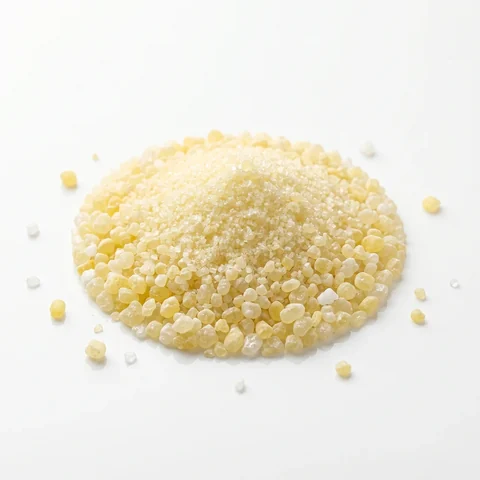
Niacin is vitamin B3. The federal consumer fact sheet from the NIH Office of Dietary Supplements describes its job in plain terms: niacin helps turn the food you eat into the energy your body needs, and it also plays a part in keeping your nervous system, digestive system and skin working as they should. It is not an exotic or unusual nutrient. It is in meat, fish, poultry, whole grains, and fortified bread and cereal, and your body can also make a small amount of it from an amino acid called tryptophan, which is why the federal reference amount is written in a slightly unusual unit.
That unit is mg NE, milligrams of niacin equivalents, and it exists specifically because of that tryptophan conversion: the figure accounts for niacin you eat directly and niacin your body builds from protein, added together as one number. ODS sets the adult Recommended Dietary Allowance at 16 mg NE a day for men 19 and over and 14 mg NE a day for women 19 and over. A capsule that supplies 7.5 mg NE is therefore supplying roughly half of a woman’s daily requirement and a little less than half of a man’s — a meaningful, ordinary nutritional amount, and nowhere near a megadose.
Keep that RDA figure in mind, because the rest of this post is going to compare 7.5 mg against two larger numbers, and it is easy to lose track of how small the starting point already is. 7.5 mg NE is not a dose anyone chose for a dramatic effect. It is close to what a varied diet alone would supply.
The side effect itself
The flush: what causes it, and at what dose
The flush is real, it is well documented, and the federal fact sheet is specific about it rather than vague. ODS reports that dietary supplements supplying niacin in amounts at and above roughly 30 mg can make the skin on the face, arms and chest turn red and feel like it is burning, tingling or itching. The mechanism behind it is vasodilation — the small blood vessels just under the skin widen, more blood reaches the surface, and the skin reddens and warms for a period that is generally reported as lasting under two hours before it passes on its own. It is uncomfortable and alarming the first time it happens to someone, and it is also, by every federal account of it, harmless.
Two things about that threshold matter for reading any label against it. First, it is a range that starts in the tens of milligrams, not the single digits: supplement doses that trigger it are commonly discussed in the 30 mg to 50 mg band and above, which is the range used in over-the-counter and prescription niacin products taken deliberately for cholesterol management, sometimes at several hundred milligrams a day under medical supervision. Second, the flush is a known, named, well-studied effect specifically because it happens reliably once a dose crosses that line — which is exactly why a fact sheet can describe it with a number attached, rather than the hedged language federal pages use for effects that are rare or poorly characterized.
None of that description is unique to this product or this brand. It is general information about an ingredient that appears in thousands of multivitamins, B-complex formulas, energy blends and prescription cholesterol products on the market, and it would read the same way on any label that names niacin at any amount.
A detail the panel skips
Two chemical forms, one word on this label
“Niacin” is actually a name for two different chemical forms, and the federal fact sheet treats them differently because they behave differently in the body. Nicotinic acid is the form most associated with the flush described above. Niacinamide (also called nicotinamide) is chemically close enough to share the name and much of the nutritional function, but it does not produce the same flushing reaction — its own side-effect profile shows up differently, and only at doses far larger than anything a daily multivitamin-style capsule would carry, generally discussed at 500 mg a day or more, where gastrointestinal upset, easy bruising and increased bleeding from wounds have been reported instead of a flush.
This capsule’s published panel does not say which of the two forms is inside. It prints “Niacin — 7.5 mg NE” and stops there. That is not unusual for a consumer supplement label — mg NE is itself a biological-activity unit rather than a chemical name, and plenty of labels in this category use the generic term the same way. But it does mean a reader who wants to know specifically whether their capsule contains nicotinic acid or niacinamide cannot find that out from the panel text we were given, and no photograph of the actual Supplement Facts panel was supplied to us either, so the bottle in hand is the only place that distinction could be checked if the printed panel breaks it out in smaller type.
Side by side
This capsule's 7.5 mg against both numbers
| Reference point | Amount | This capsule’s 7.5 mg NE is… |
|---|---|---|
| Adult RDA, women 19+ | 14 mg NE/day | About 54% of a day’s requirement |
| Adult RDA, men 19+ | 16 mg NE/day | About 47% of a day’s requirement |
| Reported flush threshold (nicotinic acid) | ~30 mg and up | About a quarter of the low end |
| Adult Upper Limit (supplemental niacin) | 35 mg/day | About a fifth of the UL |
These figures come from the seller’s published panel text. No photograph of the Supplement Facts panel was supplied to us, so the amount could not be checked against the physical bottle the way we would prefer. Read the panel on the bottle when it arrives, and treat anything printed there as the final word over anything printed here.
However the table is read, the shape is the same: 7.5 mg NE sits below the amount a healthy adult needs in a day from food and supplements combined, and well below the amount at which flushing is reported to begin. A capsule would need to carry four to six times this much niacin before it approached the lower edge of the flush range as ODS describes it, and that is before accounting for any uncertainty about which chemical form is inside, which, if it turned out to be niacinamide, would push the practical threshold for any skin reaction higher still.
A number that gets confused with the flush
The upper limit is not a flush warning
ODS sets an adult Tolerable Upper Intake Level for supplemental niacin at 35 mg a day. It is worth being precise about what that number is for, because it is easy to read “upper limit” and assume it marks the point where flushing becomes dangerous rather than merely uncomfortable. It does not. The Food and Nutrition Board that sets these limits derived the niacin UL specifically from the flushing threshold itself — the 35 mg figure is the point set below the dose range where flushing reliably starts, as a margin of caution for a side effect that is unpleasant rather than hazardous.
The more serious niacin side effects — nausea, heartburn, abdominal pain and, in rare cases involving sustained high-dose use, liver effects — are described by ODS as occurring at considerably higher amounts than either the UL or the flush threshold, generally in the hundreds of milligrams to low grams per day, the range associated with prescription-strength niacin therapy for cholesterol under medical supervision rather than with a dietary supplement capsule. At 7.5 mg, this product is not operating anywhere near that territory either.
So two different federal guardrails sit above this capsule’s 7.5 mg: a UL built around the flush, and a much larger, separately described range for the rarer and more serious effects. The amount in this capsule clears both with room to spare.
The honest gap
What “niacin” alone does not tell you
None of the above should be read as a reason to stop checking a label just because the number is small. A fully declared amount is exactly what lets this comparison happen at all — it is the reason a reader can do this arithmetic instead of guessing — and that is worth crediting. But “Niacin — 7.5 mg NE” is still an incomplete description on its own terms. It tells you the biological-activity amount. It does not tell you the chemical form, and on the materials supplied to us, no other-ingredients line, no capsule shell and no warnings panel accompanied it either.
For this particular ingredient at this particular amount, the missing form detail is a low-stakes gap: both nicotinic acid and niacinamide are well below their respective side-effect thresholds at 7.5 mg, so the practical difference to a buyer is small. The lesson generalizes further than this one ingredient, though. A declared milligram figure is necessary information and it is not sufficient information by itself — the full picture needs the form, the other ingredients and, ideally, a photograph of the actual panel on the bottle, none of which a seller’s marketing pack is obligated to supply.

Closing
What you can honestly conclude
At 7.5 mg NE, the niacin in this capsule sits at roughly half the adult daily requirement, about a quarter of the dose range where ODS reports flushing can start, and about a fifth of the federal upper limit set specifically around that flush threshold. On the numbers supplied to us, a flush from this ingredient at this amount is not a realistic concern, and that conclusion would not change even if the unstated chemical form turned out to be the one more associated with flushing, because the gap between 7.5 mg and roughly 30 mg is large enough to absorb that uncertainty.
What the panel does not resolve is the smaller, more academic question of exactly which form of niacin is inside, because the published text does not say. That omission does not change the safety math at this dose, but it is a real gap, and it belongs in the same place as every other unanswered question about this product: read on the physical bottle, not assumed.
The honest version
This label deserves credit for printing an exact milligram figure rather than folding niacin into an unlabeled blend, which is what makes this comparison possible at all. If you are weighing the product up, read the supplement facts page for the full declared panel, and talk to a pharmacist or clinician before adding any new supplement if you already take a prescription niacin product for cholesterol.
References
Sources
- NIH Office of Dietary Supplements. Niacin — Consumer. ods.od.nih.gov. Accessed October 2, 2026.
- NIH Office of Dietary Supplements. Niacin — Health Professional Fact Sheet. ods.od.nih.gov. Accessed October 2, 2026.
- NIH Office of Dietary Supplements. Dietary Supplements: What You Need to Know. ods.od.nih.gov. Accessed October 2, 2026.
- U.S. Food and Drug Administration. Information for Consumers on Using Dietary Supplements. www.fda.gov. Accessed October 2, 2026.
Order VapoCept from the official page
Capsules, 30 capsules a bottle, 30 one-capsule servings. All seven amounts are published, and this site works through every one. Prices and the 60-day window are on the listing.
$158 / $207 / $294 on the listing · 60-day window from purchase · ships from inside the US
Next
Keep reading
All seven, with amounts
Every ingredient on the published panel, and what each federal page says.
Read it →The other six ingredients
What the federal exercise-and-performance fact sheet says about arginine, citrulline and beta-alanine.
Read it →Safety, ingredient by ingredient
What ODS reports for all seven at the amounts actually printed on this panel.
Read it →